
Why Security in the Logistics Sector Is Complex
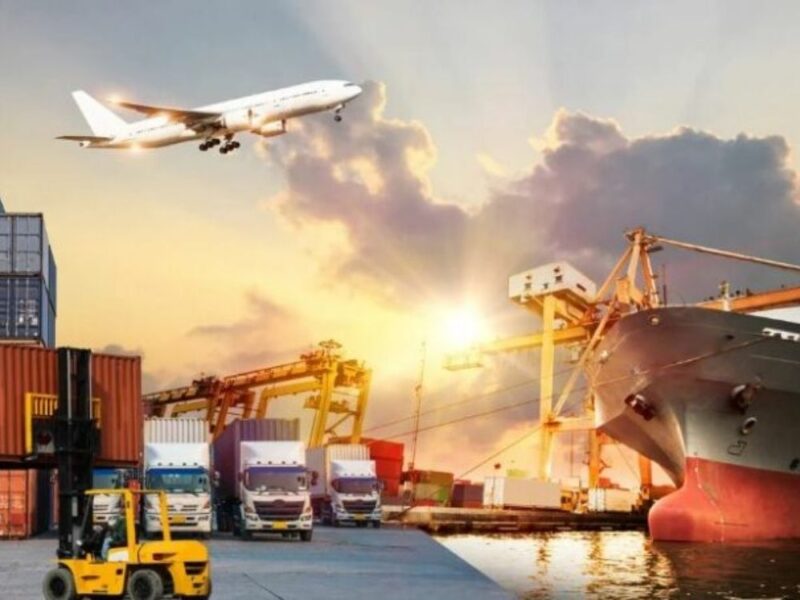
Security in the logistics sector is a complex and ongoing process that requires the attention and effort of all stakeholders. Effective security is crucial for preventing theft, fraud, vandalism, and other incidents. The logistics sector is a broad and diverse field, comprising a wide range of different links in the chain—from suppliers to carriers, storage companies to distributors, and everything in between. Each link poses a potential risk for undesirable incidents. The complexity of the sector therefore makes it particularly challenging to implement an effective security policy. The logistics sector is often exposed to threats, many of which involve insiders. An insider is someone who has authorized access to a logistics location or information. This person may intentionally or unintentionally abuse that access by sharing information or granting access to others. This can jeopardize the security of, for example, a distribution center. Unintentional errors occur more frequently than malicious intent. Often, it is a matter of ignorance or a lack of a sense of responsibility or awareness of the consequences of one’s actions or inactions. Corporate culture plays a significant role in this.
Corporate Culture: The Key to Better Compliance, Engagement, and Effectiveness
The corporate culture in the logistics sector plays a crucial role in ensuring safety, as it also influences specific security measures related to critical processes and infrastructure. It is therefore important that employees are not only aware of general safety issues. It is also important to raise awareness of the specific security risks at each link in the logistics chain.
Corporate culture influences not only how employees view security in general, but also how they interact with specific security measures. Examples include the implementation of advanced access control systems, the monitoring of cargo and vehicle movements, and the use of geofencing technology to enhance security at distribution centers. In all these areas, there are human factors that influence the effectiveness of the entire system of measures. Additionally, it is important to consider how employees handle risks. Is security a priority? Are people aware of the risks? Do they follow the rules? Do they take responsibility for security? Do they report incidents? Do they learn from mistakes? A strong corporate culture can make the difference between a well-secured distribution center and a vulnerable target.
It is important to first take a critical look at your own organization. Security services without clear instructions have a direct impact on security efficiency, the organization’s image, and, by extension, the overall sense of security. The first step is therefore to analyze the underlying cause of every identified deviation in order to identify the root cause. Only once this has been determined can the true cause of a deviation be eliminated, and can we move forward. Next, it is essential to measure security performance. This begins with the mandatory completion of various records, including regular duty reports, reports on patrol rounds, and records of access controls and visits. The reports we prepare are primarily intended to record the work and checks performed, as well as to document and report deviations. In addition, reports help us identify deviations in, among other things, service delivery. The goal is always improvement and the minimization of risks.
Leading by example
The desired corporate culture and any cultural changes an organization seeks to implement must be supported in order to be sustainable. This begins with visible commitment to security on the part of the board and management. Management must be knowledgeable about security measures and procedures, the risks that security addresses, and the applicable laws and regulations. They must then actively contribute to and serve as role models in creating a safe work environment. This will encourage employees and visitors to actively contribute to compliance with the security policy. In other words, leading by example.
Ensure that safety policies and work instructions are clearly defined and communicated so that they are consistently followed at all levels. Employees are regularly updated on safety procedures during work meetings, toolbox meetings, and safety drills. These measures help raise their awareness of potential risks. Above all, there must be an open culture where employees feel comfortable reporting incidents and discussing mistakes. This results in reduced safety risks and a lower likelihood of incidents.
When employees at all levels work together and follow the rules, an environment is created in which everyone feels responsible for safety. This ensures that employees:
- Be more alert to suspicious situations and activities.
- Be more likely to report suspicious situations.
- To have confidence that the organization takes reports seriously.
This leads to faster detection of irregularities, enabling the organization to respond more quickly and mitigate damage.
Here's how to tackle cultural change
Cultural change is an ongoing process that requires time and effort. Management must not only be the driving force behind the change, but must also take specific steps to strengthen the safety culture.
An important aspect is investing in specialized training for employees on security procedures, tailored to the logistics environment and specific risks. This could include training on conducting ID checks, searches, the use of thermal imaging cameras, the benefits of patrol monitoring systems, the use of X-ray equipment, and cooperation with government agencies. In addition, it is important to increase employees’ risk awareness by addressing specific scenarios within the logistics chain. The emphasis should be on recognizing suspicious activities, handling emergency situations, and following protocols to ensure safety.
Providing sufficient resources and funding for training, drills, and advanced security equipment—such as CCTV systems, automated access control systems, and cargo tracking technologies—helps create a safe working environment. Implementing these measures not only increases control over and visibility of the entire logistics operation but also improves vigilance regarding suspicious situations and activities.
Showing appreciation for employees who report risks, suspicious situations, and near-misses is a crucial part of a strong safety culture. This starts with providing feedback on every report. This feedback reinforces the sense that an individual’s contribution can make a difference. In cases where an efficiency improvement is achieved, a reward system may be considered. At the same time, the organization must ensure that reports are treated confidentially to prevent repercussions for the reporter. Additionally, management must be actively involved in analyzing incidents and implementing improvements to prevent recurrence.
Continuous improvement
Enforcing rules should not only focus on compliance but also on the continuous improvement of security protocols. It is important for management and employees to work together to identify potential risks and find solutions collaboratively. This creates a dynamic and adaptive approach to security, tailored to the specific challenges of the logistics sector. By taking proactive action against negligence and other undesirable behavior, and by consistently following through in cases of recurrence, a clear signal is sent regarding the importance attached to security measures. Specific measures can be taken in this regard, such as additional training, guidance, or, if necessary, the imposition of appropriate sanctions. It is therefore important to have a clear sanctions policy.
Recognizing and leveraging corporate culture as the “silent driving force” behind effective security is crucial in the logistics sector. It is not just a matter of following rules, but also of understanding and integrating security into daily operations. A strong safety culture not only fosters a safe working environment but also helps reduce safety risks.
Safety: Not just a responsibility, but an investment
Building a strong safety culture is an ongoing effort that requires the commitment of everyone involved. Management must take the lead, but all employees—from department heads to security guards and maintenance staff—have a role to play. Creating a strong safety culture is not easy, but it is worth the effort. The benefits of a strong safety culture are numerous and can ensure safety within the logistics sector. Investing in a strong safety culture is an investment in the future. If properly maintained, it provides lasting value and reduces the risk of incidents and undermining significantly.
Curious about how SERIS handles security in the logistics sector? Discover our approach and capabilities