Relaxation or chaos?
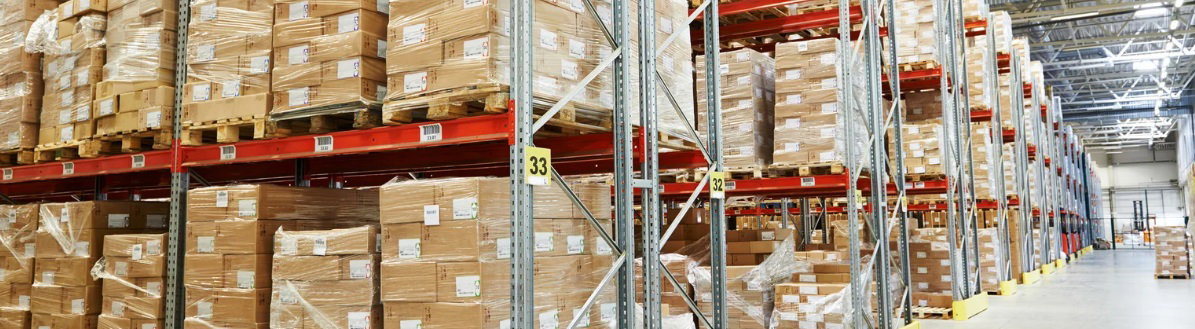
Black Friday, Sinterklaas, Christmas, or summer vacation—for most people, these periods are synonymous with fun and relaxation. But for distribution centers and warehouses, they mean peak activity, perhaps even chaos, and increased security risks. Decision-makers in logistics operations face the challenge of not only optimizing logistics processes during these peak periods but also strengthening security. This requires a flexible approach, in which security services must be continuously adapted to changing risks and operational requirements. In this blog, we’ll explain these challenges in more detail and show how a smart security strategy can help. Managing these challenges is a complex task, especially in an industry where efficiency and continuity are of critical importance.
Ups and downs
During peak periods, there is not only an increase in goods handling, but often also a higher value of stored products. Think of expensive electronics during Black Friday or large quantities of seasonal inventory around Christmas. This increases the risk of theft, both internal and external. Furthermore, during peak periods, there is often a large influx of temporary staff. These temporary workers are not always fully familiar with security procedures, which increases the risk of internal fraud or negligence. Furthermore, these employees may not always be fully proficient in the Dutch language. This can cause communication problems and entails additional risks, particularly when it comes to complying with security and company-specific procedures.
But it’s not just the usual peak periods that require extra attention. Unexpected risks can also arise during events such as Carnival, especially in regions where the festivities are celebrated on a large scale. Consider, for example, an increased risk of vandalism or unauthorized access by revelers. In addition, employees may come to work under the influence of alcohol and/or drugs, or, due to the aftermath of the festivities, be less vigilant about adhering to (safety) procedures. This increases the likelihood of human error and incidents, which calls for extra vigilance and clear protocols.
Still, it’s not always hectic. After the holidays or between peak seasons, things can actually be surprisingly quiet. This might seem like a good time to scale back security measures, but it requires careful planning. Even during quiet periods, risks such as internal theft and unauthorized access remain. It is therefore important not to scale back security entirely, but to adjust it proportionally to actual needs. This may mean that checks are conducted less frequently or that mobile surveillance is deployed only at specific times. By maintaining communication between logistics and security, unexpected situations can be addressed quickly without incurring additional costs.
Planning Issues and Collective Bargaining Challenges
Scheduling security guards during peak periods is complex due to the required flexibility and compliance with the Collective Bargaining Agreement for Private Security. Among other things, this collective bargaining agreement specifies when shifts, leave requests, and overtime pay must be arranged, which can lead to challenges, particularly during busy periods.
For example, in accordance with the collective bargaining agreement, leave must be requested at least four weeks in advance, unless there are exceptional circumstances. Summer leave must be submitted by April 1, after which approval is granted by May 1. This requires tight planning and early coordination to ensure optimal staffing levels. SERIS takes this into account on a structural basis in its capacity planning. We do this by conducting an early annual assessment of leave requests and carefully aligning them with expected peak periods. We also use a rotation system to distribute peak workloads evenly among employees, ensuring there is always sufficient staffing. Our planners must therefore be creative to ensure sufficient staffing without violating laws and regulations. In addition, the demand for security guards increases significantly during peak periods, while availability may be limited due to vacation periods or increased demand from other clients.
Our planners think proactively and act quickly when necessary to meet demand. This requires strategic workforce management and close collaboration with flexible security partners. We utilize a pool of on-call staff and on-call services, with security guards standing by outside regular working hours to respond quickly to incidents. In addition, we deploy mobile surveillance units, allowing us to scale up quickly without long-term contractual obligations. This flexibility enables us to effectively handle peaks in workload. When the workload decreases, staffing and scheduling are adjusted by scaling back, for example by temporarily reducing the number of on-call staff and assigning members of the permanent security team to other clients. At the same time, our planners must carefully take into account the working and rest periods of security guards to prevent overwork and comply with collective bargaining agreement regulations.
SERIS follows a sustainable human resources policy that takes into account the needs, wishes, and personal circumstances of our colleagues. This is enshrined in SDG 8 of the United Nations, which stands for decent work and economic growth. Through this sustainable approach, we ensure a motivated workforce that can contribute responsibly to the safety of our clients.
Adjustment of security strategies
Helpfulness is one of our core values. We demonstrate this by proactively collaborating with our clients and supporting them in creating a safe and efficient work environment, even during the most challenging peak periods.
To effectively address seasonal challenges, security strategies must be flexible and dynamic. Security plans are therefore regularly reviewed and adapted to current conditions. This is done through a clear and pre-established communication and consultation structure. In this way, bottlenecks can be quickly identified and efficiently resolved. During busy periods, for example, this means implementing additional access controls to manage the influx of temporary staff and trucks without disrupting operational efficiency.
Mobile surveillance plays a key role in responding quickly to incidents and monitoring high-risk areas, such as loading and unloading docks, where there is an increased risk of theft during peak periods. In addition, we use advanced technology, such as smart cameras and AI-based analytics, to detect suspicious behavior and take preventive action
Our strength: site visits
To further minimize operational risks, SERIS conducts regular inspections and alcohol and drug tests on employees and visitors. These tests are conducted according to strict protocols to ensure safety without disrupting work processes. Modern testing equipment is used, supplemented where necessary by a drug-sniffing dog, to ensure fast and accurate results. The results of these checks demonstrate that preventive measures effectively contribute to a safer work environment. This approach allows us to maintain a high level of safety, even during the busiest peak periods.
Security tailored to your needs
Peak periods in the logistics sector require flexibility, speed, and smart security strategies. Whether it involves distribution centers, warehouses, or other logistics facilities, SERIS offers the expertise and solutions to keep your operations safe and efficient, even during the busiest times. We also ensure appropriate security during quiet periods, without incurring unnecessary costs. Are you prepared for the next peak period? Or would you like to know how we can support your logistics operations even during quiet times? Then contact us and discover how we can help you manage your logistics processes safely and efficiently.