When the rate is right, but things start to go wrong in practice
One Tuesday morning in Rotterdam, an organization’s facilities manager is standing at the reception desk. The security guard behind the desk is new. He searches for the right screen in the registration system, asks a colleague for clarification, and pushes papers aside to get a better view. It’s the third new security guard this week. The hourly rate is competitive and the invoice looks correct, but the actual costs of the security company only become apparent in practice.
By "unstable security," we mean a situation in which staffing changes frequently, knowledge of the premises remains limited, and minor deviations in visitor management and access control occur on a daily basis. These same situations regularly come up in transition meetings with organizations. A visitor log that needs to be corrected after the fact. A visitor who goes further than intended. An alarm response that takes longer than necessary. On their own, these are isolated incidents, but together they form a pattern that demands increasing attention.
Whether someone is responsible for procurement, finance, operations, or security, these discrepancies ultimately affect the entire organization.
How Organizations Identify the True Costs of Their Security Operations
In conversations with organizations that choose SERIS, similar concerns are often mentioned regarding the period before they made the switch. It is rarely a single major incident. Rather, it involves everyday situations that reveal that the security system is not operating reliably.
At the reception desk, the facilities manager notices that there are different security guards almost every week. Access control and visitor registration procedures vary slightly from shift to shift. Exceptions need to be explained more often. Employees who always enter through the same entrance are granted immediate access during one shift but are wrongfully stopped during the next.
At one of these organizations, the evening staffing situation was particularly striking. Employees who needed access outside of office hours for scheduled work were repeatedly held up because the security guard did not know they were authorized to be there at those times. This was not because the system failed to record their access, but because the person at the desk was not yet familiar with the instructions.
Alarm response is also frequently mentioned. Security guards who are unfamiliar with the site tend to call more often for additional clarification, take longer routes, and submit reports that lack detail. While the response does take place, the internal coordinator spends more time than is desirable trying to piece together what happened.
Instability is also evident at the entrance and upon entry. A visitor who is sent too far into the building without guidance because it is not yet clear which areas have restricted access. A supplier who enters through a side entrance and is not stopped because the security guard does not know that that route is normally closed.
These are the situations in which organizations conclude that their security is no longer functioning as intended. Not because everything is going wrong, but because there is simply too much that needs to be fixed on a regular basis.
The math that isn't included in your security company's contract
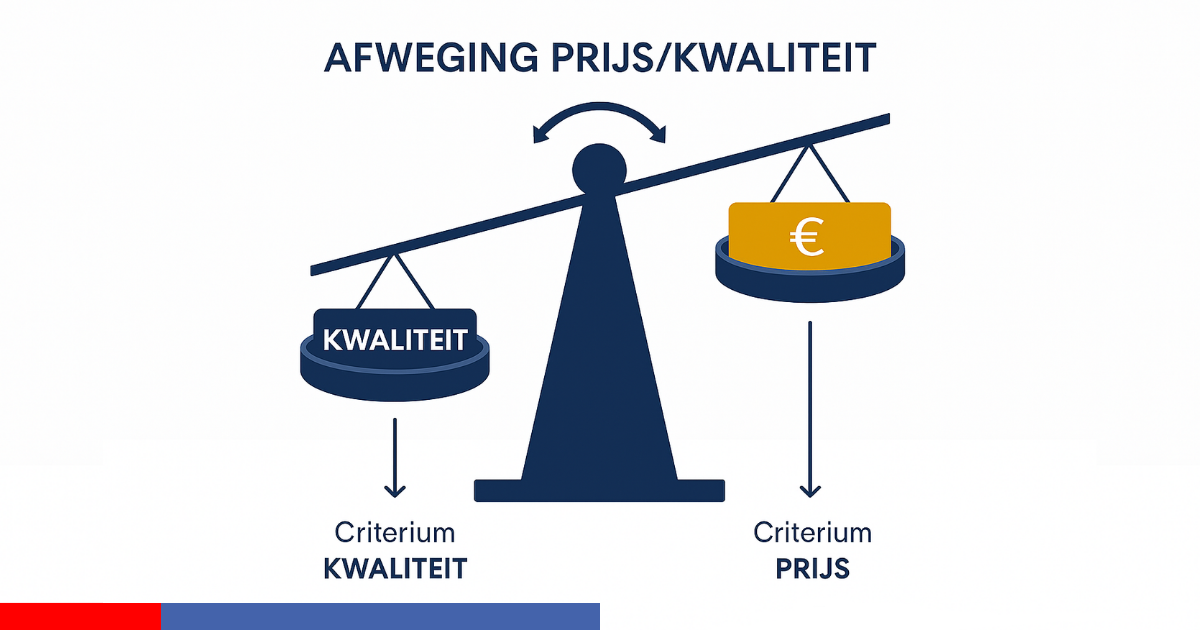
A contract with a security company is typically evaluated based on hourly rates, the number of hours, and surcharges. These figures are clear and easy to compare. However, they only reflect part of the actual costs.
Unreliable security measures mean that processes must be explained more often, exceptions require more consultation, and errors in access control or logging must be corrected more frequently after the fact. The facilities manager spends more time dealing with access requests. The risk manager performs additional checks because he is unsure whether files are complete. The controller sees internal hours increase without any change in the number of shifts.
These hours are not specified in the contract, but they do have an impact on the organization. These are the costs and risks associated with unstable security.
What Changes in the Continuity of Your On-Site Security Operations
Organizations that transition to a stable security model see changes primarily in their day-to-day operations. Within a few weeks, security personnel begin to recognize their surroundings. The same security guards are stationed at the same locations more frequently. They get to know regular employees and vendors, understand which areas have restricted access, and spot anomalies more quickly.
At an organization that switched to SERIS, the number of recurring questions at the reception desk decreased noticeably. The team knew which visitors had been pre-registered, which appointments deviated from the standard procedure, and when an escort was required. The flow at the reception desk became more predictable, and disputes over access occurred less frequently. The process was carried out more consistently.
A similar effect has been observed at sites where mobile surveillance is used. Surveillance officers who regularly visit a location build up practical knowledge. They drive efficient routes, identify anomalies more quickly, and record their findings in a structured manner. SERIS uses software for this purpose that organizes reports and patrols and links them to reports. Organizations indicate that this provides clarity because all information can be found in one central location.
Continuity ensures that operations rely less on the ad-hoc expertise of a single department and more on a stable team with accumulated experience.
How organizations experience the transition to a stable security firm
SERIS has been active in the Dutch security sector for over a century. Organizations that work with us say that this experience is evident in the way our teams operate on-site.
At an organization where SERIS handles reception and facility security, the procedures at the front desk gradually changed. The permanent security guards recognized returning visitors, knew which project areas had restricted access, and carried out access control consistently. The reception process became smoother, and the need for corrections after the fact decreased.
An organization in the Randstad region with multiple properties highlighted the predictability of reports. The security guards who regularly visited the sites were familiar with the grounds and buildings. Any anomalies were clearly described in their reports. The contact person noted that he spent less time trying to figure out what had happened in response to a report and could more quickly determine what follow-up actions were needed.
In addition, having a dedicated point of contact at SERIS is often cited as a factor that promotes clarity. Someone who is familiar with the property knows which agreements apply and which operational decisions are relevant. This brings stability to the management process and fosters a sense of calm in the collaboration.
Thanks to stable teams, practical experience, and consistent communication, organizations see a difference in the quality, stability, and continuity of security at their locations.
Why choosing the right security company ends up being more cost-effective
Every change in staffing, every unclear record, and every procedure that isn't followed properly costs time. Sometimes minutes, sometimes much longer. The impact adds up.
Organizations that prioritize stability find that these incidents occur less frequently. Operations become more predictable, incidents can be analyzed more quickly, and reports provide immediately actionable information. As a result, security measures become not only more effective but also more efficient.
A competitive rate without stability shifts costs and risks onto the organization. While the costs of a security firm may require a different assessment during the procurement process, a stable partner leads in practice to lower internal costs and a more reliable process.
When it's time to reassess your security provider
Doubts about stability rarely stem from a single incident. Usually, they start with small signs. A schedule that keeps getting finalized later and later. A receptionist who keeps asking the same questions. The third new security guard in a short period of time.
Many organizations reach out at that stage. Not because something has gone wrong, but because they realize that their security measures no longer meet the needs of their facility. They are then looking for a partner who understands what happens at the entrance, at the reception desk, and on the premises, and who can restore order based on experience.
In such projects, SERIS draws on our experience at similar locations. For organizations that view stability, quality, and continuity as essential prerequisites, SERIS often proves to be the logical next step.
Would you like to know the true costs of your security company and how much of a difference a stable team can make? Contact SERIS at seris.nl/contact.